
Your quote list is empty
Add products from our catalog to request a quote.
Request Submitted!
Thank you for your interest. Our team will review your request and get back to you with a detailed quote shortly.

Full Catalog
Download PDF Document
Professional healthcare solutions since 2014
 Hemodialysis
  Respiratory Care
  Urology
  Gastroenterology
  Infusion Therapy
  PPE
PPE  Anesthesia
  Blood Management
  OR/Surgery
  Wound care
  General Hospital Supplies
The evolution of hemodialysis technology has been marked by significant advancements in membrane science. Modern synthetic polymeric membranes, such as those made from polysulfone and polyethersulfone, offer superior biocompatibility compared to older cellulosic membranes. This improved biocompatibility is crucial for patients undergoing long-term dialysis, as it minimizes the activation of the complement system and reduces chronic inflammation, which is a major contributor to cardiovascular complications in this patient population.
Our latest research, published in the Journal of Nephrology, demonstrates a 30% reduction in C-reactive protein (CRP) levels in patients who switched to our proprietary polysulfone membranes. This highlights the clinical benefits of focusing on membrane material and design to enhance patient outcomes.
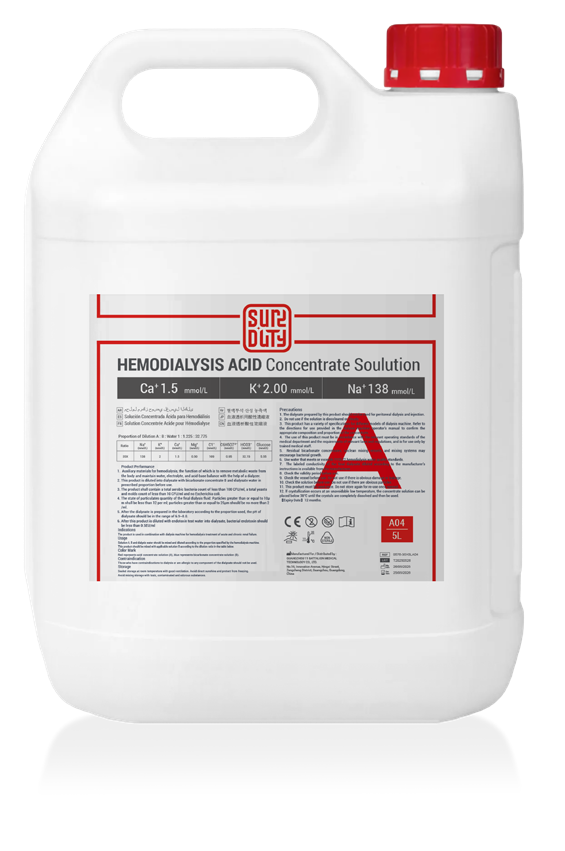
Packaging Volume: :1gallon,5Lt,10Lt Dilution Ratio: :35x, 36.83x, 45x Glucose Options: Available with or without glucose; specific concentrations detailed in each formula.
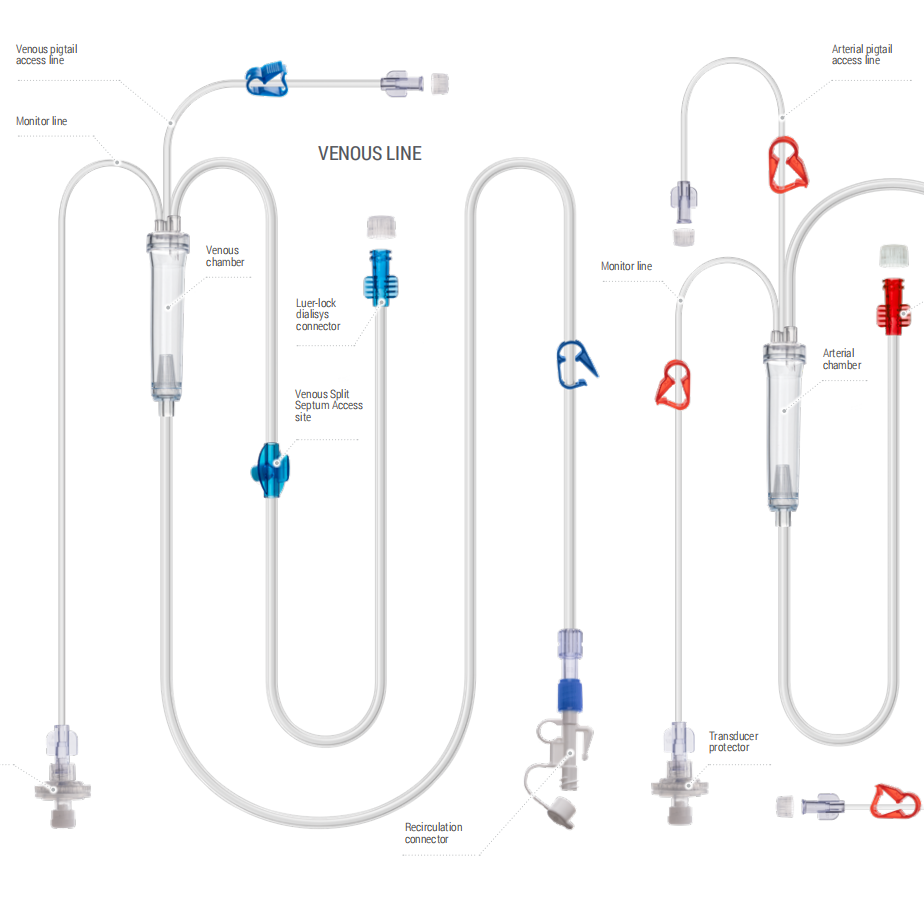
Pump Tubing Sizes: 6.4 × 9.8mm, 8 × 12mm (OD) Priming Options: IV set, Spike, or without priming set Sterilization: EO/GAMMA Sterilized
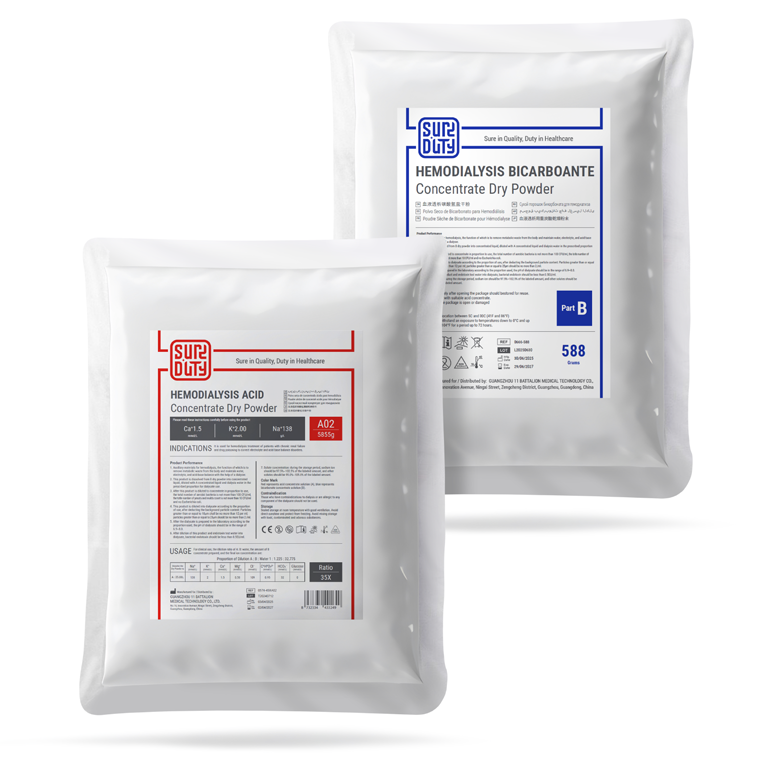
Acid Concentrate: Contains sodium chloride, potassium chloride, calcium chloride, and acetic acid. Bicarbonate Concentrate: Sodium bicarbonate powder Mixing Ratio: As per dialysis machine or clinical protocol.: Packaging Options: 5 kg or 25 kg packs or customized.:
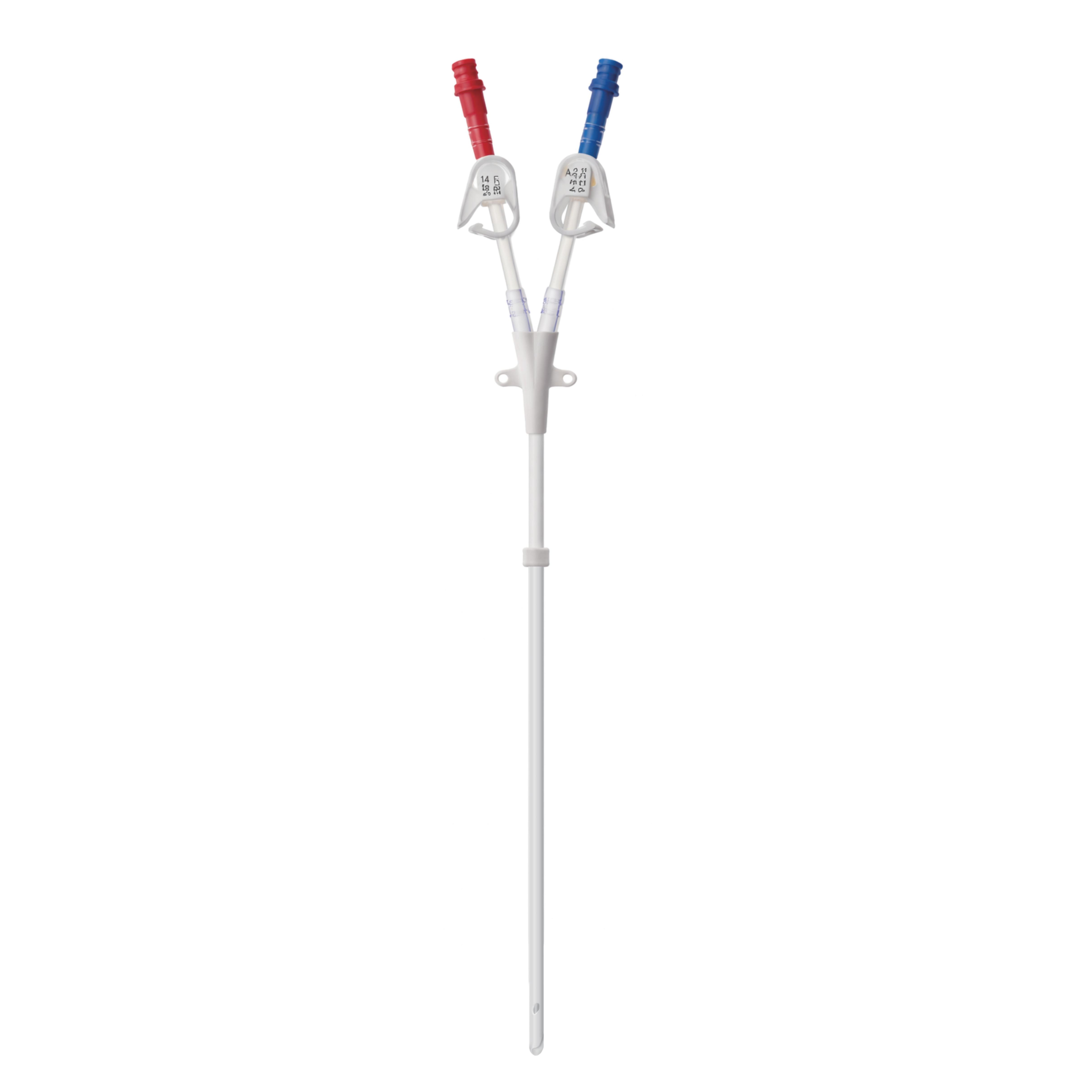
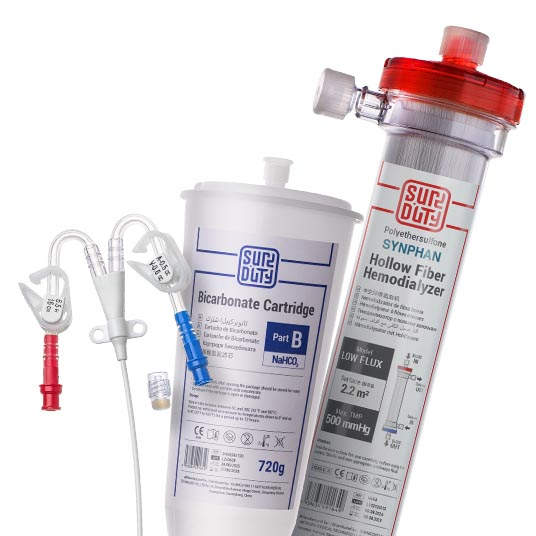
Catheter Sizes: 14.5Fr, 15Fr Lumen Configuration: Dual Lumen Catheter Length: 15 cm -50cm Shape of extension tubes: Straight, Pre-Curved Shape of distal tips: Step type, Symmetric type
Dr. Emily Carter is a valued contributor at SureDuty Medical, specializing in global brand strategy and market expansion for renal care solutions.
Add products from our catalog to request a quote.
Thank you for your interest. Our team will review your request and get back to you with a detailed quote shortly.