

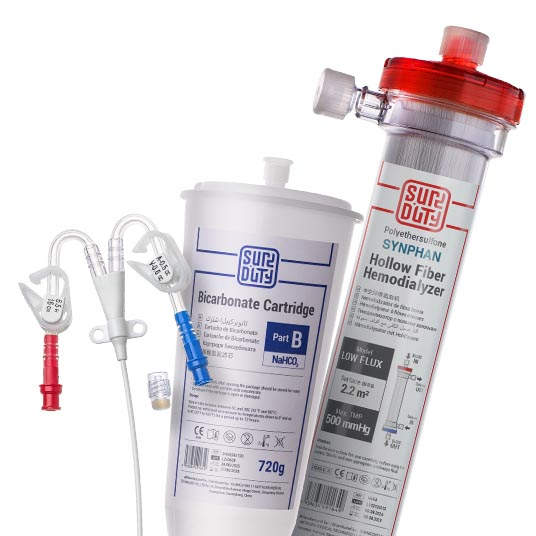

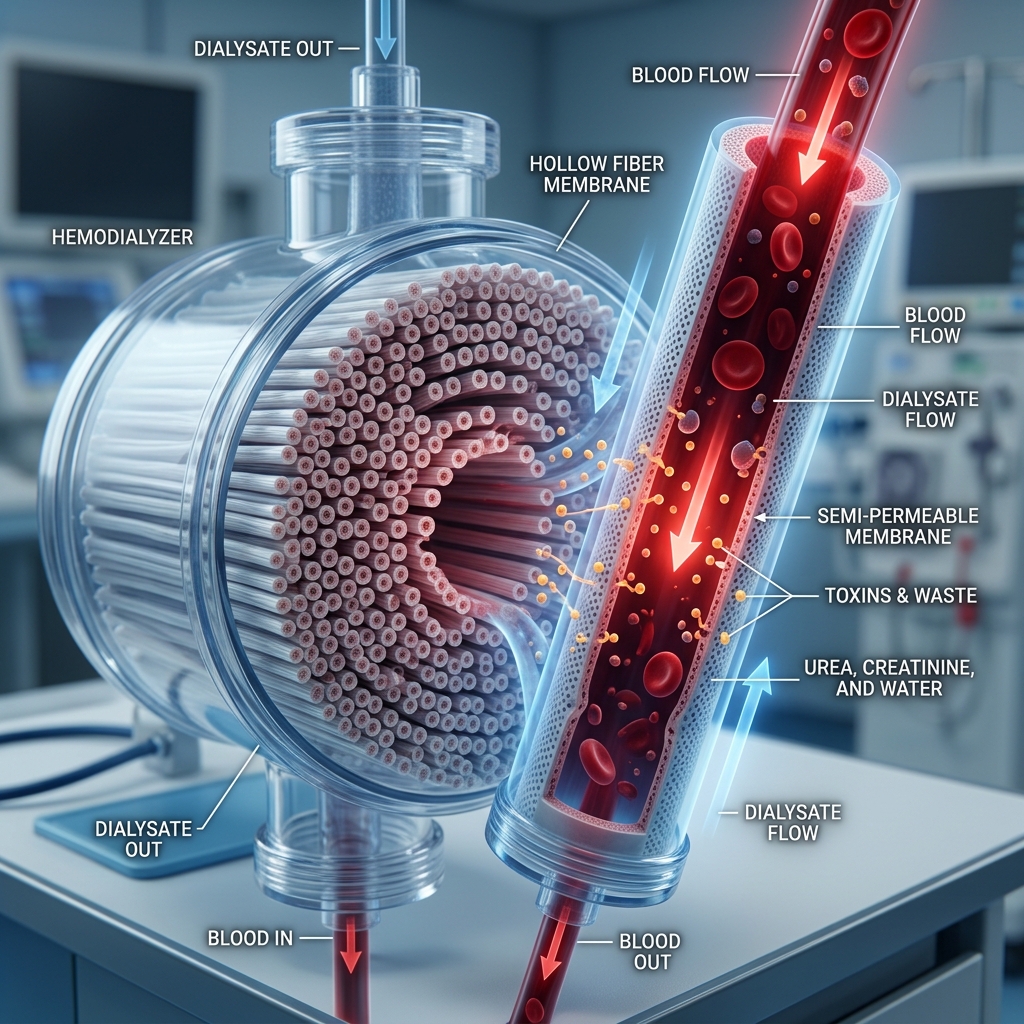
Modern hemodialysis has evolved significantly over the past few decades, with membrane technology playing a pivotal role in this transformation. Biocompatibility, the ability of a material to perform with an appropriate host response in a specific application, is now a critical parameter in dialyzer selection.
The Role of Synthetic Membranes
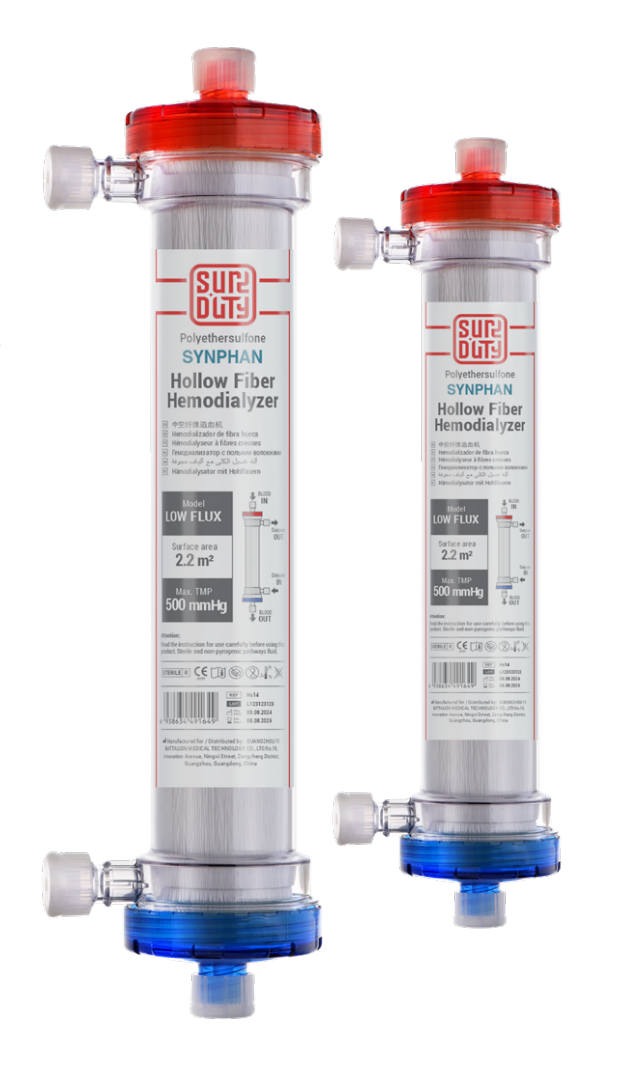
Synthetic membranes, such as those made from polysulfone (PS) or polyethersulfone (PES), have largely replaced cellulosic membranes due to their superior biocompatibility profile. Unlike cellulose, which contains hydroxyl groups that can activate the complement system, synthetic polymers are relatively inert.
Reducing Inflammation
Chronic inflammation is a common complication in dialysis patients, often contributing to cardiovascular disease and malnutrition. By minimizing the activation of leukocytes and the complement cascade, high-flux synthetic membranes help reduce the systemic inflammatory burden.
"The shift towards biocompatible membranes represents one of the most significant advancements in renal replacement therapy, directly impacting patient longevity and quality of life."
As we look to the future, research continues into super-high-flux membranes and medium cut-off (MCO) dialyzers, which promise even better clearance of middle molecules without albumin loss.